Yandina Community Gardens

41 Farrell street, Yandina

  • 41 Farrell St, Yandina
  • Getting Involved
    • Join
    • Volunteer
    • Contact Us
  • My Account
    • Login
    • Lost Password
  • 0 items
  • Workshops & Events
    • YCG Blitz 2026 dates
    • Workshops
    • Events News
  • Learning
    • Fact Sheets For Sale
    • Resources
    • Know Your Plants
    • SEASONAL PLANTING GUIDE
    • Recipes
  • Shop & Nursery
    • Plants For Sale
    • Other Items For Sale (only available in store)
    • Gift Voucher
  • Garden Features
  • Venue Hire
You are here: Home / Archives for plants

Pit Pit

23/11/2017 By

Pit Pit (aka New Guinea asparagus)

Pitpit (Web)Setaria palmaefolia (short) and  Saccharus edule (tall)

Origin: hot, humid tropics of New Guinea

Plant: Sept – Nov only, in a shady, boggy site

Harvest: Dec – March.

Propagate: from cuttings

Short Pit Pit takes about 4 – 5 months from planting to harvesting the swollen edible stalks.  It needs to be cut back to the ground when the weather cools down, to prevent the stalks becoming leggy, fibrous and inedible.  The cuttings can be used as a ‘chop n drop’ or as cuttings to make new plants.  When cooking, an approx 12cm portion of the stem is boiled for about 20-30 minutes, then peeled and eaten as a snack or added to salads or stir-frys; (raw Pit Pit can cause bellyache).  Nice with a white or coconut cream sauce and browned under the grill. The tall Pit Pit is more useful as a windbreak or for interplanting.

Filed Under: Know Your Plants Tagged With: edible stalks, Permaculture, Pit Pit, plants, windbreak

Paw Paw

23/11/2017 By

Paw Paw (aka papaya)

Pawpaw (Web)Carica papaya

Origin: Highlands – wet, cool

Plant: Sept – March

Harvest: Anytime except for Jan – April.

Paw paw take approx. 18 months from planting the seed to fruit production, so a nutrient rich soil is necessary for fast growth. Plant several seeds then select the strongest female plant to grow on. Only one male tree is necessary to pollinate the female trees, however, if you grow the red paw paw, you will not need to grow a male tree as the red is a hermaphrodite, meaning it has both male and female flowers to enable propagation.

Fruit is ripe when there is no green on the fruit. Eating ripe and green paw paw is most beneficial as an aid to digestion. Green paw paw can be grated for salads, used as a cooked vegetable in stews and is also nice stuffed and baked in an oven.

Medicinal Value: the dried seed of the ripe paw paw can be put through a food processor and ground to a powder. Sprinkled onto our food (and for livestock) it can be used to expel worms from the intestinal tract.


Filed Under: Know Your Plants Tagged With: edible fruit, fruit, fruit tree, medicinal plants, Paw Paw, Permaculture, plants

New Guinea Bean

23/11/2017 By

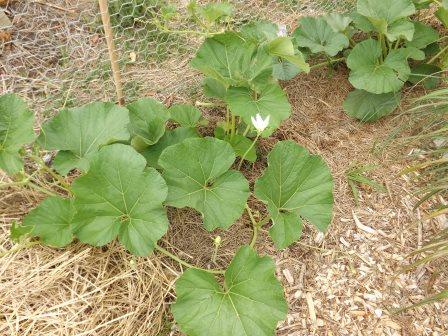
New Guinea Bean (aka bottle gourd, succubi or Cucuzza)

New Guinea bean (Web)Lagenaria siceraria

Origin: Dry Tropics

Plant: Sept – Dec

Harvest: Dec – May

A good substitute for zucchini. Pick fruit when no larger than 30cm-45cm, peel, then slice diagonally (remove seeds). Shallow fry the slices in hot oil and serve with freshly milled black pepper for a treat. Mature gourds can grow to many kilos, but will only be useful for seed saving or decoration.


Filed Under: Know Your Plants Tagged With: edible gourds, New Guinea Bean, Permaculture, plants

Madagascar Bean

23/11/2017 By

Madagascar Bean (aka seven year bean)

Madagascar Bean (Web)Phaseolus lunatus syn. P.limensis

Origin: Tropical and sub-Tropical regions

Plant: in Spring

Harvest: When pods have dried on vine

This bean is a vigorous climbing tropical lima bean, which will give many years of production after the initial first year.  It is a perennial vine well suited to the wet humid conditions of the Sunshine Coast and it will keep producing large fat beans for most of the year.  Madagascar beans need a trellis for support.

The beans (not the pods) can be eaten fresh, while still white before any colour shows; or dried – they dry well on the vine with a beautiful speckled red and white bean that can be stored for winter soups and casseroles or turned into bean patties and also used to make tempeh – dried beans need to be soaked overnight before cooking.  If weevils get into the dried beans, put them in the freezer for a while and this will kill off the weevils.

Filed Under: Know Your Plants Tagged With: Madagascar Bean, Permaculture, plants, seven year bean

Malu Khia

23/11/2017 By

Malu Khia (aka mulukhiyya, Egyptian spinach or salad mallow)

Malu Khia (Web)Corchorus olitorius

Origin: Dry, tropical India

Plant: Nov – Dec only

Harvest: Feb – May

Propagate: will self-seed.

Tropical green. Annual bush.  Leaves are nutrient rich in potassium and protein but have a light mucilage taste. Young leaves can be used in salads, cook older leaves like spinach. Dried leaves are a very nutritious food for livestock.

Filed Under: Know Your Plants Tagged With: edible leaves, Egyptian spinach, Malu Khia, Permaculture, plants

  • « Previous Page
  • 1
  • 2
  • 3
  • 4
  • 5
  • 6
  • Next Page »

Our Location & Hours

41 Farrell street, Yandina, see map
Open to Public Tuesdays and Saturdays 8.30am-12pm. Closed public holidays. (Updated 19 February 2026)

Workshops

  • Sat February 28 2026 - How To Grow Dragon Fruit

    Sat February 28 2026 – How To Grow Dragon Fruit

    Read more
  • Saturday 14 Feb - What is Permaculture?

    Saturday 14 Feb – What is Permaculture?

    Read more

Categories

  • Bees (5)
  • Chickens (1)
  • Competitions (2)
  • Composting (3)
  • e-Book (1)
  • Event (11)
  • Events (11)
  • Fact Sheet (4)
  • Featured (1)
  • Filled Job Positions (1)
  • Food Waste Loop (4)
  • Garden Tours (2)
  • Giving Plastic The Flick (2)
  • Kids Event (1)
  • Know Your Plants (70)
  • Nursery Plants (49)
  • Organisation (13)
  • Other (4)
  • Permaculture Method (7)
  • Recent Events (11)
  • Recent Workshops (51)
  • Recipes (33)
  • Sustainable Living (15)
  • Vacancies (2)
  • Venue Hire (1)
  • Volunteers (5)
  • Workshops (50)
  • YCG History (2)

Tags

biochar chop & drop compost composting Edible Greens edible leaves edible seeds edible tubers Event food waste food waste loop ground cover insect attracting Kids event Kids program know your plants Learning Living sustainably Management Committee medicinal plants medicine member event Morag Gamble native stingless bees Nutrient Dense Food Open garden visit Permaculture Plant plants Recipe Recipes Subtropical Greens Support plants Sustainable Building sustainable living Tropical greens volunteer water plant Wax-wrap making wax-wraps Workshop workshops Worm Farming Yandina Community Garden Yandina community Gardens

Permaculture People

Elizabeth Fekonia - Permaculture Real Food
Anne Gibson - The Micro Gardener
Morag Gamble - Our Permaculture Life
Dee Humphreys - Eatin Garden Edible Garden Tours

Acknowledgement of country

Yandina Community Gardens acknowledges and pays respect to the Traditional Owners of the land, the Gubbi Gubbi (Kabi Kabi) people, past and present and emerging. We recognise and wish to learn from their spiritual and cultural connection to the land.

Copyright © 2026 · Outreach Pro On Genesis Framework · WordPress · Log in