Yandina Community Gardens

41 Farrell street, Yandina

  • 41 Farrell St, Yandina
  • Blog
  • Contact Us
  • Getting Involved
    • Become A Member
    • BECOME VOLUNTEER
  • Login
  • My Account
    • Lost Password
  • 0 items
  • Events
    • YCG Blitz 2026 dates
    • Events News
  • Workshops
  • Learning
    • Fact Sheets For Sale
    • Resources
    • Know Your Plants
    • SEASONAL PLANTING GUIDE
    • Recipes
  • Shop & Nursery
    • Plants For Sale
    • Other Items For Sale (only available in store)
    • Gift Voucher
  • Garden Tour
  • Garden Features
  • Venue Hire
  • Food Waste Loop
You are here: Home / Archives for self sufficiency

Saturday, 28th November 2020, 9-11:30am, Propagating with Elisabeth Fekonia

26/10/2020 By

Elisabeth Fekonia

Join me as we discuss Propagation, tour through the gardens, take cuttings observing the seed saving techniques and propagate them with the Yandina Community. We see first hand how our dedicated long term volunteers keep the nursery stocked in edibles, medicinal, herbals, water plants, and all sorts of amazing greens, and seeds!

BYO secateurs, gloves, mug for morning tea please.seedling

Being able to successfully grow and produce your own food will bring many advantages including saving on the family food bill, having fresh organic produce available all year round and having food security. Suitable for students of permaculture and the beginner keen to learn this incredible skill.

http://permacultureproduce.com.au

Class limited to 12 participants. $25/$35 pre booked. Please book here


About the presenter
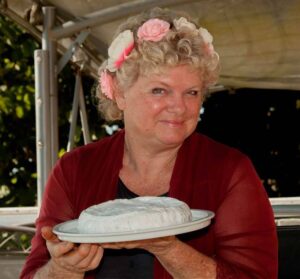
I have been living the self sufficient life for twenty years and I decided it would be good to pass on all those skills that I learned to those in the community that want to do likewise. I am so excited to be having a good long look around visit with Yandina Community Gardens, once again, a place where I have many plant friends. I’m hoping to leave with some lemongrass for my next garden project. I’m bringing copies of my books for sale, in place of a fee, in recognition of these gardens importance in Yandina in these times. If you have cuttings of edible plants, vegies or herbs, please label them and bring them to share.


Filed Under: Recent Workshops Tagged With: elizabeth fekonia, how to grow your own food, propagation, seed saving, self sufficiency

Becoming More Self-Sufficient

11/12/2017 By

One of the objectives here at the Yandina Community Gardens is to help our members and community learn hands-on skills and become educated to live a more “self-sufficient” and “sustainable” lifestyle. Becoming more self-sufficient means becoming less dependent on outside resources and making more use of your own resources. Whilst complete self-sufficiency may not be possible for most people in today’s modern world, I do believe it is a rewarding pursuit. One that will yield many practical and personal benefits.

Self-Sufficient lifestyle

There is an abundance of information and tips out there on how to become more self-sufficient. Over the coming months, the gardens will be running a number of workshops to support you to become more self-sufficient. In this article, I will be focusing on three things you can do to reduce your living costs and become more self-sufficient. At the end of the article, I will include a list of tips for you.

1. Grow your own food Grow your own food

On average we spend about $150 a week on food and for a family, with a couple kids, this can be well over $300 a week. Almost all those costs can be eliminated by growing our own food. Get out and attend as many workshops as you can to learn the key components to growing your own organic nutrient-packed food. The main things to learn about include:

  • Loving your soil – having healthy soil is central to how good your food will be. Understanding how you can increase the humus content in your soil will improve your food quality and quantity.
  • Basic permaculture design principles – one-way permaculture differs from other methods of gardening is that it is not just a set of practical techniques; it is a way of thinking and of adapting to a particular ecology. Whether you are starting a new garden, or introducing permaculture principles to an existing garden, having some understanding of the key principles will definitely help you get closer to your self-sufficiency goals. Join one of our garden tours at Yandina Community Gardens to see what we do. Garden Tours at YCG
  • How to grow your own seedlings – growing your own seedlings is easy but not as easy as just throwing a seed in some dirt, there are a few key things you can learn that will increase your success rate. Join a local seed savers group so you can learn how to save your own seeds and you will have friends to swap seeds with as well.
  • Building garden beds and wicking gardens – if you don’t have the resources to build your own beds you can visit local recycling and demolition yards and find lots of valuable materials. Wicking beds are great for our subtropical climate and will help reduce your water use and grow super greens all year round.
  • Natural garden pest control – prevention is the best cure when it comes to pests. A healthy garden is the best defense. Natural pest control is cost effective and safe for your garden, your family, your companion animals, wildlife and the environment.Find out about our workshops, click here  

2. Build a compost system

Organic waste comprises an estimated 20-40% of the solid waste stream that ends up in landfills. Organic matter breaks down slowly in landfills due to limited oxygen, which can contribute to methane gas production. Luckily we can compost! 🙂 Compost is the rich, black remnant of organic waste such as kitchen scraps combined with “brown” matter (i.e. soil, leaves).  The result is beautiful fertilizer for your garden. Intentionally composting accelerates the natural process of the breakdown of organic matter. Composting reduces landfill waste, saves you from using chemical fertilizers, and introduces beneficial organisms to your soil. A supporter and member of our garden Costa Georgiadis has a lot to say about composting.

3. Improve your hot water heating systems

What few people realize, is that the process of heating water in homes is extremely energy intensive and therefore expensive. An average household can use around 25% of its total energy on heating water.  So it’s important to use an efficient system that suits your needs. Reducing the amount of hot water you use and using a more efficient hot water system are great ways to reduce your energy costs and your impact on the environment. Given that over 85% of our electricity in Australia is derived from nonrenewable fossil fuels, the ecological cost of water heating is enormous. The warm showers that you so enjoy are most fun and likely at the same time contributing to massive greenhouse gas emissions leading to global warming.

Luckily, there are other ways to heat the water that you use that are cost-effective.  It is a step to becoming less reliant on the power grid. Do some of your own research online.

Once you have your own food growing, have put together an efficient composting system and have reduced your energy consumption by heating your own hot water you will be well on your way to becoming more self-sufficient and saved lots of money.
There are lots more things you can start to incorporate into your daily life – here are some ideas.

Easy Self Sufficient Living Tips

  • Building a rain barrel to collect rainwater for lawn and garden irrigation.
  • Install solar panels with batteries to store household energy.
  • Add skylights and large, energy-efficient windows to take advantage of natural light.
  • Choose a solar oven to replace inefficient appliances.
  • Learn basic appliance, car, and home repairs and maintenance to save time and money to keep items in good repair for a longer time period.
  • Using a clothesline instead of a gas or electric dryer.
  • Choosing reusable grocery bags instead of disposable ones, and reusing store bags as trash bags.
  • Growing indoor micro herbs for fresh recipe seasoning.
  • Choose reusable cloth diapers that can be handed down to multiple children.
  • Learning to repair and sew new clothing, curtains etc
  • Learn basic culinary preservation skills such as canning or making fruit preserves to support a larger harvest.
  • Learning food fermentation methods for food and health
  • Choosing to walk or bike to work or on errands instead of using a motorised vehicle.
  • Choosing a low flow toilet or composting toilet to preserve water and use the human effluents
  • Choose energy efficient light bulbs and appliances to minimise the need for electricity.
  • Using a manual push lawn mower instead of electric or gas powered models.
  • Buying locally produced items to minimize transport costs and to support others interested in self-sufficiency.
  • Starting your own business to become economically self-sufficient instead of relying on an employer.
  • Developing natural beauty without depending on cosmetics, hair dye, and other products.
  • Choosing self-sufficient recreation such as camping, hiking, or other low impact activities that do not require extensive travel or elaborate assistance to enjoy.

Self-sufficient living tips can help anyone begin to develop their own economic and environmental independence. While it may not be possible to become completely self-sufficient, choosing just a few ways to participate in low impact living can have a profound impact on the environment as well as an individual’s self-esteem and personal satisfaction.

Roman Spur and his family have pursued a self-sufficient lifestyle for many years. To learn more about how to provide for your family in a more sustainable and self-sufficient way, join us at Roman’s workshop. Click here to book

Filed Under: Sustainable Living Tagged With: energy efficiency, growing food, making compost, Roman Spur, self sufficiency, sustainable living, workshops, Yandina community Gardens

Our Location & Hours

41 Farrell street, Yandina, see map
Open to Public Tues, Thur and Sat 8.30am-12pm. Closed public holidays. (Updated 16 Oct 2025)

Workshops

  • Sat February 28 2026 - How To Grow Dragon Fruit

    Sat February 28 2026 – How To Grow Dragon Fruit

    Read more
  • Saturday 14 Feb - What is Permaculture?

    Saturday 14 Feb – What is Permaculture?

    Read more

Categories

  • Bees (5)
  • Chickens (1)
  • Competitions (2)
  • Composting (3)
  • e-Book (1)
  • Event (11)
  • Events (11)
  • Fact Sheet (4)
  • Featured (1)
  • Filled Job Positions (1)
  • Food Waste Loop (4)
  • Garden Tours (2)
  • Giving Plastic The Flick (2)
  • Kids Event (1)
  • Know Your Plants (70)
  • Nursery Plants (49)
  • Organisation (13)
  • Other (4)
  • Permaculture Method (7)
  • Recent Events (11)
  • Recent Workshops (51)
  • Recipes (33)
  • Sustainable Living (15)
  • Vacancies (2)
  • Venue Hire (1)
  • Volunteers (5)
  • Workshops (50)
  • YCG History (2)

Tags

biochar chop & drop compost composting Edible Greens edible leaves edible seeds edible tubers Event food waste food waste loop ground cover insect attracting Kids event Kids program know your plants Learning Living sustainably Management Committee medicinal plants medicine member event Morag Gamble native stingless bees Nutrient Dense Food Open garden visit Permaculture Plant plants Recipe Recipes Subtropical Greens Support plants Sustainable Building sustainable living Tropical greens volunteer water plant Wax-wrap making wax-wraps Workshop workshops Worm Farming Yandina Community Garden Yandina community Gardens

Permaculture People

Elizabeth Fekonia - Permaculture Real Food
Anne Gibson - The Micro Gardener
Morag Gamble - Our Permaculture Life
Dee Humphreys - Eatin Garden Edible Garden Tours

Acknowledgement of country

Yandina Community Gardens acknowledges and pays respect to the Traditional Owners of the land, the Gubbi Gubbi (Kabi Kabi) people, past and present and emerging. We recognise and wish to learn from their spiritual and cultural connection to the land.

Copyright © 2026 · Outreach Pro On Genesis Framework · WordPress · Log in