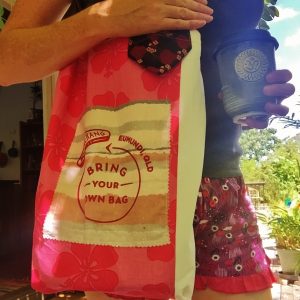
Yandina Community Gardens

41 Farrell street, Yandina

  • 41 Farrell St, Yandina
  • Getting Involved
    • Join
    • Volunteer
    • Contact Us
  • My Account
    • Login
    • Lost Password
  • 0 items
  • Workshops & Events
    • YCG Blitz 2026 dates
    • Workshops
    • Events News
  • Learning
    • Fact Sheets For Sale
    • Resources
    • Know Your Plants
    • SEASONAL PLANTING GUIDE
    • Recipes
  • Shop & Nursery
    • Plants For Sale
    • Other Items For Sale (only available in store)
    • Gift Voucher
  • Garden Features
  • Venue Hire
You are here: Home / Blog Posts

Support Species For Tropical Vegetables

18/01/2018 By

Tropical vegetables and fruit trees are traditionally grown in a polyculture (NOT monoculture) in a food garden system among support plants. This provides a ‘micro-climate’ providing shade, helping to save moisture in the soil and establishing an ideal atmosphere for plant growth.

Support species create a source of nutrient-rich living mulch, assisting to retain moisture by reducing evaporation, prevent weed growth or erosion, as well as providing habitat for beneficial insects and pollinators. As the support species grow they can be chopped (coppiced) and used as mulch around your food producing plants assisting to buffer the soil from extremes of heat or rainfall.

Planting support species is done from Spring and they can be planted throughout the Summer and into Autumn. Mulch is very important in our sub-tropical environment and growing your own “living mulch” means avoiding expensive inputs like hay (which requires fossil fuels) to do this job.

Support species are often legumes and this means they convert Nitrogen from the air into the soil, especially when they are coppiced pre-flowering. The cuttings are then used around your vegetables to provide an additional nutrient source and increase the amount of humus in your soil.

Support Species available from YCG:

Pigeon Pea

Lemongrass

Crotalaria

Popcorn Cassia

Queensland Arrowroot

Comfrey

Come into our nursery and buy your support species today

Filed Under: Nursery Plants Tagged With: confrey, crotalaria, lemon grass, Pigeon Pea, popcorn cassia, support species

Native Solitary Bees Extreme Pollinators

18/01/2018 By

Origins

Bees made their appearance about 120 million years ago. There are currently many thousands of bee species documented worldwide and Australia is home to about 2,000 of them. In addition to the native species, 6 species of bee have been introduced into Australia, this includes the European honeybee. Like most bees in the world, Australian native bees have a range of sizes, colours, nesting requirements, behaviours and complex social interaction. Australian native bees have evolved into 7 families all with their own behaviours, colours and traits. Of the 7 families of bees, one of those families only occur in Australia and nowhere else in the world. There is currently a lot of interest in the Australian Native stingless bee that is being used with great success to pollinate crops, increasing the yields by as much as 600%. Less is talked about the solitary native bees that by all accounts are even better at pollination than both the honeybee and native stingless bee.

Diversity & Importance

Apart from the varying colours of native bees they also build their nests in different places using different building material. Other differences include how they accumulate or carry pollen. Some bees have pollen sacs that they use to collect pollen, others cover their entire body with pollen, and others carry pollen in their crops. There is one species of bee (Persoonia bees) that only feed on the flowers of one plant and that plant can only be pollinated by this bee, no other. Thus there is a co-dependence between bee and plant for survival.

When it comes to nesting there are many differences. Some bees nest in mud on the ground. Others build a nest made from leaf cuttings or inhabit cracks or holes in pieces of wood. The way that bees behave when visiting a plant also differs: some are what are termed buzz pollinators, they vibrate their entire body when visiting flowers thus ensuring pollen all over their bodies and in the air. Tomatoes are a good example of a plant that requires buzz pollination to produce fruit. Some bees are parasitic and lay their eggs in the provisioned cells of other bee species.

The importance of bees is well known with at least 70% of all our food requiring some type of pollination. Therefore their survival is very closely linked to ours. It is no secret that there has been a significant decline in bee populations throughout the world that is cause for great concern.

Challenges

The challenges bees face are numerous. The biggest of these being chemical. Many of the pesticides being used for crops and other plants have a detrimental effect on bee populations. Research done in the US has shown that bees have declined from 6 million hives in 1947 to 2.4 million in 2008. This is more than 60%. The number of bee colonies per hectare has declined by 90% since 1962.

The biggest culprit is the group of pesticides named neonicotinoids which is chemically related to nicotine with nicotine-like effects. As a result, in Europe and the US, these pesticides have been banned. Secondly, pests such as Verroa Mite, Hive Beetle and others plague the honeybee and our social native bees. Luckily in Australia, we do not have Verroa Mite and our honeybees and honey is sought after for its purity and quality. The third threat facing bees is the ongoing destruction of habitat and thus people are encouraged to create habitat for the dwindling bee populations.

What We Can Do to look after our bee populations:
  • We need to lobby our own government to ban the destructive chemicals that are not only harming our bee populations but all other beneficial insects as well. Landowners should be encouraged to change their cropping practices to more sustainable approaches using fewer chemicals.
  • More people should be encouraged to keep bees and manage the hives in a responsible way to keep bee pests to a minimum.
  • We should all be encouraged to create habitat and shelter for bees. Habitat creation includes planting a lot of native trees, grasses, and flowers for the bees to have an abundance of food. We should also provide shelters for bees to nest and multiply. An important aspect of a garden is to allow some of our vegetables and flowers to go to seed. Also, allow some spots in your garden to be wild with little cutting and neatening up, this is ideal habitat for bees.

Planting For Bees

Below is a list of plants that create food and habitat for bees. Please note this list is not exhaustive but indicative of the types of plants that bees like.

TREESSHRUBS/FLOWERSVEGETABLES/HERBS
Spotted GumFan flowerBasil (particularly Thai or cinnamon)
CitrusGrevilleaLavender
Broad-leafed red iron barkPigeon PeaRosemary
BlackbuttRosesSage
MelaleucaMarigoldsBorage
JacarandaGrass treeTomatoes
White bottlebrushFlax liliesBroccoli
MacadamiaSennaNasturtium
Silky oakPaper/everlasting daisyEgg Plant
Sugar gumTea treeMustard Greens

To Learn More

List of resources below

The Australian Native Bee book – Tim Heard

Valley Bees – http://mrccc.org.au/valley-bees/

Bob Luttrell – bobthebeeman.com.au

Youtube – The hidden beauty of pollination

YCG will be hosting Keith Upward in February who will teach us how to build insect hotels for native solitary bees and other beneficial insects. Click here to book.


Filed Under: Bees, Workshops Tagged With: bee hotels, Learning, Living sustainably, native solitary bees, planting for bees, Workshop, Yandina community Gardens

Lemon Grass Infused Red Curry

18/01/2018 By

Lemongrass (takrai)
Use the pale lower end of the stalk which can be chopped finely, or bruise the tougher green part of the stem with a pestle, if larger pieces are called for.
Lemongrass can be used in curry pastes, stir-fries, and soups. The stems can be up to 60 cm long so trim the bae, remove the tough, outer layers and finely slice, chop or pound the white interior.
For pastes and salads, use the tender, white portion just above the root.
The whole stem, trimmed and washed thoroughly, can be added to simmering soups and curries and removed before serving.
The flavour of fresh is far superior to dried.

Red Vegetable Curry

Prep time 25 minutes & total cooking time 20 minutes

Ingredients

225 g bamboo shoots or tips (drained if from a can)

2 cups (500ml) coconut milk

1/2 cup (125 ml) water

2 tbsp red curry paste

1 tbsp coriander seeds

1 medium onion, finely chopped

2 tsp cumin seeds

4 kaffir lime leaves

1 tsp black peppercorns

2 medium potatoes, roughly chopped

1 tsp ground nutmeg

200 g pumpkin, roughly chopped

2tsp dried shrimp

150 g green beans, cut into short pieces

12 large dried or small fresh red chillis, roughly chopped

1 red capsicum, chopped

1 cup spring onion or Asian shallots, chopped

3 small zucchini, chopped

2 tabs oil (try olive, rice bran or coconut)

2 tbsp chopped fresh basil leaves

4 stems lemongrass (white part only), finely chopped

2 tbsp fish sauce

12 small cloves garlic, chopped

2 tbsp lime juice

2 tbsp fresh coriander roots & 2 tbsp fresh coriander stems, chopped

3 tsp soft brown sugar

6 kaffir lime leaves, shredded

2 tsp grated lemon/lime rind

2 tsp turmeric

black pepper and salt, to taste

Method

Cut the bamboo shoots in half, discard the tough ends and set shoots aside. Combine the coconut milk, water and curry paste in a large wok or saucepan. Bring to the boil, stirring occasionally. Add the onion and kaffir lime leaves and allow to boil for 3 minutes
Add the potato and pumpkin to the wok and cook over medium heat for 8 minutes, or until the pumpkin is nearly cooked. Add the beans, capsicum, and zucchini and simmer for another 5 minutes. Add 1/2 cup of water if the curry is too thick. Add the bamboo shoots and basil. Season with fish sauce, lime juice, and sugar.
Serve with steamed rice.

Filed Under: Recipes Tagged With: Lemongrass, Living sustainably, Recipe, red curry, support species, Yandina community Gardens

What Are The Real Issues With Single-Use Plastic

18/01/2018 By

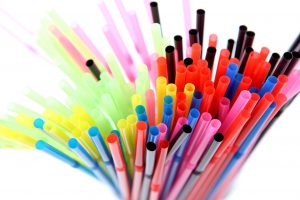
plastic-strawsWhat Are The Real Issues With Single-Use Plastic? What is single-use plastic? Single use plastics are any plastic that is designed to be used only once, often to contain food or other items. These include take away food containers, drink bottles, straws, coffee cups, packaging and plastic carry bags. Sometimes these plastics can be recycled, for example, plastic bottles and now soft plastics can be recycled by REDcycle to make bench seats. However, the sad truth is that a lot of single use plastic is thrown into landfill.

What are the real issues with single-use plastic? The top 3 are:

  1. Plastic components leach into our food and water and are a threat to our health.
  2. Plastic is choking up our oceans and has a grave effect on marine life.
  3. Plastic in landfill degrades, releasing its toxic components into our soils and groundwater.

Plastic and Our Health

Choice has just released an article that explains the health issues related to plastic and the components it is made of. To view this article, click here. In summary, the polymer molecules in plastic is not the problem but the smaller molecules released as plastic breaks down are small enough to migrate into our food and water. These molecules such as BPAs and phthalates are endocrine disruptors, mimicking our natural hormones. There is growing evidence that BPAs and Phthalates cause problems such as infertility, obesity, breast cancer, heart disease and diabetes (for detail see the article).

Plastic And Our Oceans

In the last few months we have seen the devastating effects of plastic on our marine life and the

plastic-lake-floatingplastic lake that is floating freely in the sea near the Caribbean (click here to see the video). Despite our best efforts, plastic containers, bottles, bags, and straws are landing up in the ocean. Research done in the UK has found that most fish caught for the market contain plastic in some shape or form. Sea turtles and even whales are not only being ensnared by plastic but die due to the ingestion of plastic.

Plastic And Landfill

90% of plastic used, particularly single use, is sent to landfill. The world produces about 300 million tons of plastic per year. It is estimated that 7 million tons land up in the ocean and the rest of the 90% not recycled ends up in landfill. In landfill, plastic breaks down into its smaller components and leaches into our soils and the water table, once again making its way into our food and ultimately our bodies affecting our health.

This is not the first advancement that we have made in human history that after many years is found to be detrimental to our health and the environment. Although the advent of plastic has made our lives much easier, it has come at a price.

So what can you do to eradicate the use of particularly single use plastic in your home and family? Here are some tips.plastic-bottles

  1. Replace your plastic bottle with a glass bottle or reusable container. Don’t purchase water in plastic bottles.
  2. When buying coffee, bring your own mug and request that that be used instead of the paper cups and lids.
  3. Make your own coffee in a coffee pot instead of using coffee pods.
  4. Learn to drink your beverages without straws.
  5. Buy vegetables that are not packaged in layers of plastic. Here you can find a farmers market or a good greengrocer.
  6. Take reusable bags when shopping and refuse the plastic bags when checking out.
  7. Collect all those plastic bags that you are unable to get rid of and find a place that takes recycled plastic. Often one of the big chain stores have this facility.

bring-your-own-bagOnce you make the commitment to stop accepting single use plastic, it then becomes a habit. Not so long ago people would stare at you if you brought your own shopping bags and the checkout attendant would not be happy! But now no one blinks an eye when you BYO shopping bags or coffee cup. It is now trendy to be plastic free! And quite pretty too! Boomerang Bags are funky and are available everywhere. If you forget your ‘Green’ bags, never fear, you can use Boomerang Bags and return them next time. Wax wraps, which replace plastic film wrap, are available in all sort of groovy fabrics and are very easy to make. Straws are also a big problem. Plastic straws are simply unnecessary! Would we be severely impacted if straws were not offered? No, we would still survive! We need to change the habit. The Last Straw is a campaign to end the use of the plastic straw in venues around Australia. It is also up to us to make the change. Saying no to single use plastic is the only way to get the message across. It starts with every one of us. You can make a difference.
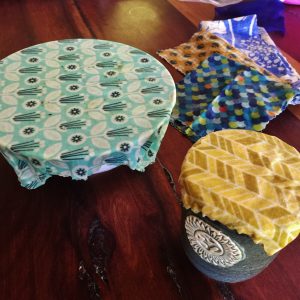
Our next wax wrap-making workshop will be on Friday, 19 October.wax-cloth-wraps

Bookings are essential. To book wax-cloth workshop click here

Filed Under: Giving Plastic The Flick Tagged With: health and plastic, landfill, plastic, single use plastic, straws, sustainable living, wax-wraps, Workshop, Yandina community Gardens

Fun Had By All At Our Annual End Of Year Member Event

11/12/2017 By

One of our favourite times of the year at Yandina Community Gardens is when our members come together to celebrate what we have achieved for the year. This year’s event was no exception as we fired up the cob oven and shared a delightful meal together we also had occasion to plant a tree in memory of Bill Mollison, launch our intensive orchard garden, new website and give a special award to a long-standing member and contributor to the gardens.

Tree planting At Yandina Community Gardens
Dave planting a tree in memory of Bill Mollison
Bill Mollison
Permaculture guru Bill Mollison.

Last year with the passing of Bill Mollison his widow requested that all the Permaculture organisations plant a tree in his memory. We now have a beautiful Black Sapote in our orchard that will forever remind us of his incredible contribution to sustainable living. One of his quotes that lie dear to our heart at YCG is.

“The greatest change we need to make is from consumption to production, even if on a small scale, in our own gardens. If only 10% of us do this, there is enough for everyone”.

We also celebrated the launch of our intensive orchard garden that was made possible by the Sunshine Coast Council grant for their 50th-year birthday celebration. This garden showcases how to build a productive orchard in a very small space.

Orchard garden
Launching our intensive orchard garden

For some time we have recognised as a management committee that if we are going to extend our influence with regard to sustainable living beyond our own community we need to transform our website. This work was done in the last 3 months of the year and we would particularly like to thank Christa Louw (our IT volunteer) for the technical support in this regard. Our website has now come of age with WOO commerce, just to mention one new feature, that allows workshop attendees to book and pay for workshops online.

Our organisation would not exist without the dedication of many volunteers and we are particularly grateful to people who have made a long-term commitment to YCG. Each year the Committee will be recognising such people and this year we recognised Dave Clark, who has tirelessly supported YCG. Dave who is exceptionally knowledgeable in Permaculture design and did his Permaculture training with Bill Mollison in the early days has been with YCG since its inception. Thanks Dave for your contribution and dedication to our beautiful community space.

Dave Clark
Dave Clark being recognised for his long-term dedication to YCG

Some of our members who attended the event had this to say…

“I have thoroughly enjoyed the Saturday morning workshops and I have gained many skills at YCC.” Louise White

“The YCG is an inspiration. So fantastic to see so many working for a healthy sustainable future. Very educational and a great asset to the community.” Meri Luke

“YCG is a fantastic place for people to learn about growing their own healthy food and sustainability. Many volunteers put in many hours to make YCG the great resource and community that it is. It was fantastic today to see YCG volunteers recognised with the help of Sunshine Coast Council.”

“Great pizzas, great people; beautiful gardens and great opportunity to keep learning about living an organic lifestyle.” -Petra

Cob oven pizzas
Thanks to Trevor we all enjoyed tasty pizzas from our own cob oven

“Wonderful to know wonderful people surrounded by gardens of beauty and wholesomeness.” – Myshell

“I love coming to these gardens! Such good people, terrific workshops, wonderfully lush plants. So much knowledge gets passed on and great concept – there should be more of them.” – Jan L

“Yandina Community Gardens is an integral and very happy part of my life. It invigorates me and I love the people involved in the gardens. Also, we learn how to care for our natural heritage to preserve our planet for our children.” – Pam P

“It’s been a pleasure to be a part of this community garden which I hope will grow with more community awareness and be appreciated by all.” – Andrew

“Yandina Community Gardens provides such a welcome respite – an oasis of learning, creativity, and community. I look forward to each visit and feel very grateful for the people who enable the opportunities afforded to me through its existence.” – Jenny L

Filed Under: Events Tagged With: Bill Mollison, Intensive orchard, member event, Permaculture gardens, sustainable living, Yandina community Gardens

  • « Previous Page
  • 1
  • …
  • 47
  • 48
  • 49
  • 50
  • 51
  • …
  • 57
  • Next Page »

Our Location & Hours

41 Farrell street, Yandina, see map
Open to Public Tuesdays and Saturdays 8.30am-12pm. Closed public holidays. (Updated 19 February 2026)

Workshops

  • Sat February 28 2026 - How To Grow Dragon Fruit

    Sat February 28 2026 – How To Grow Dragon Fruit

    Read more
  • Saturday 14 Feb - What is Permaculture?

    Saturday 14 Feb – What is Permaculture?

    Read more

Categories

  • Bees (5)
  • Chickens (1)
  • Competitions (2)
  • Composting (3)
  • e-Book (1)
  • Event (11)
  • Events (11)
  • Fact Sheet (4)
  • Featured (1)
  • Filled Job Positions (1)
  • Food Waste Loop (4)
  • Garden Tours (2)
  • Giving Plastic The Flick (2)
  • Kids Event (1)
  • Know Your Plants (70)
  • Nursery Plants (49)
  • Organisation (13)
  • Other (4)
  • Permaculture Method (7)
  • Recent Events (11)
  • Recent Workshops (51)
  • Recipes (33)
  • Sustainable Living (15)
  • Vacancies (2)
  • Venue Hire (1)
  • Volunteers (5)
  • Workshops (50)
  • YCG History (2)

Tags

biochar chop & drop compost composting Edible Greens edible leaves edible seeds edible tubers Event food waste food waste loop ground cover insect attracting Kids event Kids program know your plants Learning Living sustainably Management Committee medicinal plants medicine member event Morag Gamble native stingless bees Nutrient Dense Food Open garden visit Permaculture Plant plants Recipe Recipes Subtropical Greens Support plants Sustainable Building sustainable living Tropical greens volunteer water plant Wax-wrap making wax-wraps Workshop workshops Worm Farming Yandina Community Garden Yandina community Gardens

Permaculture People

Elizabeth Fekonia - Permaculture Real Food
Anne Gibson - The Micro Gardener
Morag Gamble - Our Permaculture Life
Dee Humphreys - Eatin Garden Edible Garden Tours

Acknowledgement of country

Yandina Community Gardens acknowledges and pays respect to the Traditional Owners of the land, the Gubbi Gubbi (Kabi Kabi) people, past and present and emerging. We recognise and wish to learn from their spiritual and cultural connection to the land.

Copyright © 2026 · Outreach Pro On Genesis Framework · WordPress · Log in