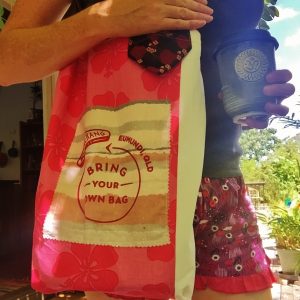
Yandina Community Gardens

41 Farrell street, Yandina

  • 41 Farrell St, Yandina
  • Getting Involved
    • Join
    • Volunteer
    • Contact Us
  • My Account
    • Login
    • Lost Password
  • 0 items
  • Workshops & Events
    • YCG Blitz 2026 dates
    • Workshops
    • Events News
  • Learning
    • Fact Sheets For Sale
    • Resources
    • Know Your Plants
    • SEASONAL PLANTING GUIDE
    • Recipes
  • Shop & Nursery
    • Plants For Sale
    • Other Items For Sale (only available in store)
    • Gift Voucher
  • Garden Features
  • Venue Hire
You are here: Home / Archives for Workshop

The Decline Of Australian Frogs

10/02/2018 By

Australia has many different frog species, with over 200 described and probably more to be discovered. However, Australia’s frog populations are declining, as are populations worldwide, for reasons that are as yet unknown. This is a disturbing trend because the presence of frogs is a good indication of a healthy environment. Read more…

Yandina Community Gardens will be hosting a frog and frog pond workshop. Book here

To get involved with frog conservation become a member of the Queensland frog society

Filed Under: Workshops Tagged With: frog ponds, frogs, Learning, Living sustainably, Shaun Morrow, Workshop, Yandina Community Garden

Native Solitary Bees Extreme Pollinators

18/01/2018 By

Origins

Bees made their appearance about 120 million years ago. There are currently many thousands of bee species documented worldwide and Australia is home to about 2,000 of them. In addition to the native species, 6 species of bee have been introduced into Australia, this includes the European honeybee. Like most bees in the world, Australian native bees have a range of sizes, colours, nesting requirements, behaviours and complex social interaction. Australian native bees have evolved into 7 families all with their own behaviours, colours and traits. Of the 7 families of bees, one of those families only occur in Australia and nowhere else in the world. There is currently a lot of interest in the Australian Native stingless bee that is being used with great success to pollinate crops, increasing the yields by as much as 600%. Less is talked about the solitary native bees that by all accounts are even better at pollination than both the honeybee and native stingless bee.

Diversity & Importance

Apart from the varying colours of native bees they also build their nests in different places using different building material. Other differences include how they accumulate or carry pollen. Some bees have pollen sacs that they use to collect pollen, others cover their entire body with pollen, and others carry pollen in their crops. There is one species of bee (Persoonia bees) that only feed on the flowers of one plant and that plant can only be pollinated by this bee, no other. Thus there is a co-dependence between bee and plant for survival.

When it comes to nesting there are many differences. Some bees nest in mud on the ground. Others build a nest made from leaf cuttings or inhabit cracks or holes in pieces of wood. The way that bees behave when visiting a plant also differs: some are what are termed buzz pollinators, they vibrate their entire body when visiting flowers thus ensuring pollen all over their bodies and in the air. Tomatoes are a good example of a plant that requires buzz pollination to produce fruit. Some bees are parasitic and lay their eggs in the provisioned cells of other bee species.

The importance of bees is well known with at least 70% of all our food requiring some type of pollination. Therefore their survival is very closely linked to ours. It is no secret that there has been a significant decline in bee populations throughout the world that is cause for great concern.

Challenges

The challenges bees face are numerous. The biggest of these being chemical. Many of the pesticides being used for crops and other plants have a detrimental effect on bee populations. Research done in the US has shown that bees have declined from 6 million hives in 1947 to 2.4 million in 2008. This is more than 60%. The number of bee colonies per hectare has declined by 90% since 1962.

The biggest culprit is the group of pesticides named neonicotinoids which is chemically related to nicotine with nicotine-like effects. As a result, in Europe and the US, these pesticides have been banned. Secondly, pests such as Verroa Mite, Hive Beetle and others plague the honeybee and our social native bees. Luckily in Australia, we do not have Verroa Mite and our honeybees and honey is sought after for its purity and quality. The third threat facing bees is the ongoing destruction of habitat and thus people are encouraged to create habitat for the dwindling bee populations.

What We Can Do to look after our bee populations:
  • We need to lobby our own government to ban the destructive chemicals that are not only harming our bee populations but all other beneficial insects as well. Landowners should be encouraged to change their cropping practices to more sustainable approaches using fewer chemicals.
  • More people should be encouraged to keep bees and manage the hives in a responsible way to keep bee pests to a minimum.
  • We should all be encouraged to create habitat and shelter for bees. Habitat creation includes planting a lot of native trees, grasses, and flowers for the bees to have an abundance of food. We should also provide shelters for bees to nest and multiply. An important aspect of a garden is to allow some of our vegetables and flowers to go to seed. Also, allow some spots in your garden to be wild with little cutting and neatening up, this is ideal habitat for bees.

Planting For Bees

Below is a list of plants that create food and habitat for bees. Please note this list is not exhaustive but indicative of the types of plants that bees like.

TREESSHRUBS/FLOWERSVEGETABLES/HERBS
Spotted GumFan flowerBasil (particularly Thai or cinnamon)
CitrusGrevilleaLavender
Broad-leafed red iron barkPigeon PeaRosemary
BlackbuttRosesSage
MelaleucaMarigoldsBorage
JacarandaGrass treeTomatoes
White bottlebrushFlax liliesBroccoli
MacadamiaSennaNasturtium
Silky oakPaper/everlasting daisyEgg Plant
Sugar gumTea treeMustard Greens

To Learn More

List of resources below

The Australian Native Bee book – Tim Heard

Valley Bees – http://mrccc.org.au/valley-bees/

Bob Luttrell – bobthebeeman.com.au

Youtube – The hidden beauty of pollination

YCG will be hosting Keith Upward in February who will teach us how to build insect hotels for native solitary bees and other beneficial insects. Click here to book.


Filed Under: Bees, Workshops Tagged With: bee hotels, Learning, Living sustainably, native solitary bees, planting for bees, Workshop, Yandina community Gardens

What Are The Real Issues With Single-Use Plastic

18/01/2018 By

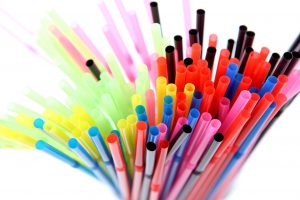
plastic-strawsWhat Are The Real Issues With Single-Use Plastic? What is single-use plastic? Single use plastics are any plastic that is designed to be used only once, often to contain food or other items. These include take away food containers, drink bottles, straws, coffee cups, packaging and plastic carry bags. Sometimes these plastics can be recycled, for example, plastic bottles and now soft plastics can be recycled by REDcycle to make bench seats. However, the sad truth is that a lot of single use plastic is thrown into landfill.

What are the real issues with single-use plastic? The top 3 are:

  1. Plastic components leach into our food and water and are a threat to our health.
  2. Plastic is choking up our oceans and has a grave effect on marine life.
  3. Plastic in landfill degrades, releasing its toxic components into our soils and groundwater.

Plastic and Our Health

Choice has just released an article that explains the health issues related to plastic and the components it is made of. To view this article, click here. In summary, the polymer molecules in plastic is not the problem but the smaller molecules released as plastic breaks down are small enough to migrate into our food and water. These molecules such as BPAs and phthalates are endocrine disruptors, mimicking our natural hormones. There is growing evidence that BPAs and Phthalates cause problems such as infertility, obesity, breast cancer, heart disease and diabetes (for detail see the article).

Plastic And Our Oceans

In the last few months we have seen the devastating effects of plastic on our marine life and the

plastic-lake-floatingplastic lake that is floating freely in the sea near the Caribbean (click here to see the video). Despite our best efforts, plastic containers, bottles, bags, and straws are landing up in the ocean. Research done in the UK has found that most fish caught for the market contain plastic in some shape or form. Sea turtles and even whales are not only being ensnared by plastic but die due to the ingestion of plastic.

Plastic And Landfill

90% of plastic used, particularly single use, is sent to landfill. The world produces about 300 million tons of plastic per year. It is estimated that 7 million tons land up in the ocean and the rest of the 90% not recycled ends up in landfill. In landfill, plastic breaks down into its smaller components and leaches into our soils and the water table, once again making its way into our food and ultimately our bodies affecting our health.

This is not the first advancement that we have made in human history that after many years is found to be detrimental to our health and the environment. Although the advent of plastic has made our lives much easier, it has come at a price.

So what can you do to eradicate the use of particularly single use plastic in your home and family? Here are some tips.plastic-bottles

  1. Replace your plastic bottle with a glass bottle or reusable container. Don’t purchase water in plastic bottles.
  2. When buying coffee, bring your own mug and request that that be used instead of the paper cups and lids.
  3. Make your own coffee in a coffee pot instead of using coffee pods.
  4. Learn to drink your beverages without straws.
  5. Buy vegetables that are not packaged in layers of plastic. Here you can find a farmers market or a good greengrocer.
  6. Take reusable bags when shopping and refuse the plastic bags when checking out.
  7. Collect all those plastic bags that you are unable to get rid of and find a place that takes recycled plastic. Often one of the big chain stores have this facility.

bring-your-own-bagOnce you make the commitment to stop accepting single use plastic, it then becomes a habit. Not so long ago people would stare at you if you brought your own shopping bags and the checkout attendant would not be happy! But now no one blinks an eye when you BYO shopping bags or coffee cup. It is now trendy to be plastic free! And quite pretty too! Boomerang Bags are funky and are available everywhere. If you forget your ‘Green’ bags, never fear, you can use Boomerang Bags and return them next time. Wax wraps, which replace plastic film wrap, are available in all sort of groovy fabrics and are very easy to make. Straws are also a big problem. Plastic straws are simply unnecessary! Would we be severely impacted if straws were not offered? No, we would still survive! We need to change the habit. The Last Straw is a campaign to end the use of the plastic straw in venues around Australia. It is also up to us to make the change. Saying no to single use plastic is the only way to get the message across. It starts with every one of us. You can make a difference.
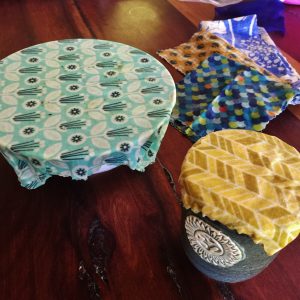
Our next wax wrap-making workshop will be on Friday, 19 October.wax-cloth-wraps

Bookings are essential. To book wax-cloth workshop click here

Filed Under: Giving Plastic The Flick Tagged With: health and plastic, landfill, plastic, single use plastic, straws, sustainable living, wax-wraps, Workshop, Yandina community Gardens

A Passion For Native Stingless Beekeeping

01/12/2017 By

Beekeeping is so much more than a hobby – it is a deep fascination and passion that grabs you, never to let go. My fascination with bees started at a very young age running around after them in my Nan’s garden as they flitted from blossom to blossom. Mom cautioning in the background “Mind, they will sting you”.Fascination with bees at a young age

The fascination only grew as I started understanding the wonders of these beautiful insects. They are hard-working, organized and focused, all traits that I admire not only in the animal kingdom but in people as well. They are the ultimate team players with each bee fulfilling its role perfectly, no egos, simply working hard at what they do best to secure the next generation.

It is only in the latter part of my life that I became a real beekeeper with my own hives. And then I discovered native stingless bees. My first impression when I saw one was that they were ants with wings. So small, so diligent and masters at the craft of pollination.

Beekeeping has become very popular in the last few years, particularly the keeping of native stingless bees in urban environments where they thrive. I have been around beekeepers that have inspired me to be a better beekeeper. They treat their bees with a huge amount of respect and lovingly take all precautions to disrupt their hives as little as possible. I think we owe it to these hardworking insects to be the best and kindest beekeepers we can be.

So how do you get started?

Well firstly decide why you want to keep bees and what type of beekeeper you want to be. Some of the reasons for keeping bees might be to improve the pollination of your vegetables and fruit crop or contribute to their preservation. Native stingless bees are particularly suited to teaching children how to care for the environment as they don’t sting and are easy to maintain. You might enjoy their honey, which is unique and has excellent medicinal properties as well. Others simply keep them for relaxation, sitting and watching them after a long day as they rhythmically come in and out of the hive.

Having a hive is like having pets, it is a long-term commitment so be sure that you are up for it. The way to be sure would be to attend courses and do as much reading as you can before getting a hive. Native stingless bees do not cope well with cold climates so be sure that your climate is suited for them to thrive.

Now find yourself a reputable beekeeper that will provide you with all you need and guide you where needed.

Tetragonula Hockingsi

What is some of the basic information you need to know when keeping native stingless bees? Firstly Australia has 11 species of native stingless bees. The most popular being Tetragonula Hockingsi and Tetragonula Carbonaria. You are most likely to get one of these species from your chosen beekeeper.

Tetragonula Carbonaria

Native stingless bees have a foraging range of 500 metres so they require a plant-rich environment that has pollen, nectar and resin. They are particularly fond of native plants for which they are well adapted. So get to know your native plants and start planting or potting up if you have a small space. Locate your bees where they get morning sun, are protected from the wind and afternoon sun. You can place them on balconies, in buildings, under gazebos or trees. Native stingless bees are pest and disease resistant and only have a few pests that could invade the hive. But they have excellent defences that stave off most attacks. You can support them by ensuring the hive is off the ground so that pests like the small hive beetle find it more difficult to invade the hive.

What do you need to start?

Bob Luttrell’s well constructed hive

In the beginning, all you need is a hive and bees placed in a good location. There are no standard hives such as in the honeybee world although there has been an attempt at standardising using what is termed the OATH (Original Australian Trigona Hive) hive. Important to note is that not all hives are equal. Good construction is key and although a lot of different materials are currently being used, a natural hardwood, in my opinion, is preferable because of its ability to absorb moisture and regulate temperature.

Native Stingless bees, unlike honeybees, do not have an ability to dehumidify their hives and excess water can invite all sorts of unwanted bacteria etc. The hive sides should at least be 45-47 mm thick.  This mimics the wall thickness of the logs that are used in their natural environment. There are currently a lot of different hive designs and materials being used.  Given that the keeping of native stingless bees is a very young science, there are many questions still unanswered. But I think that keeping things as natural and close to what is used in nature is probably a safe bet. Also to enable observation of your hive, put in an observation window, although the bees eventually cover this window up with resin it allows you, in the beginning, to observe how your bees are doing.

If you are interested in harvesting honey, get a hive that has a honey super where excess honey can be stored by the bees and harvested by you. You might also want to split your hive in the future. If so, consideration of a hive that has a good splitting system that does not disrupt the hive too much is also important.

For the next 12 months observe the bees. If the bees are carrying out debris from the hive then you know that bees are hatching and there is a cycle of life happening. Bees coming and going with full pollen sacs tells you there is enough food in their immediate environment. If it is a very dry season, give your bees supplementary feeding with a good, sugar-based syrup (recipes can be found online). Also, use your sense of smell. When there is a good run of pollen and nectar you will be able to smell the beautiful honey when standing close to your hive. All of this is an indication that your hive is growing and thriving. After 12 months you might want to split the hive or harvest honey, but that is a topic for another post.

Most importantly never stop learning. Read as much as you can and do as many courses as you can. Also, document things happening in and around your hive. That way you can contribute to the building of the science around Australian native stingless bees.

Honey BeesNative Stingless Bees
Hexagonal comb to rear young & store foodRear young in special brood cells & store food in large pots
StingStingless
One queenOne queen & princesses in waiting
Build nest from waxBuild nest from mixture of wax & plant resin
Tight control of the temperature in the hiveLimited ability to control the temperature in the hive
Honey bees feed their young regularlyMass provision of the brood cell
Establish a new colony through swarmingFirst build a new nest & gradually move in with a new queen
Foraging range 5 KmForaging range 500 m
More adaptable to different environmentsMainly in the tropics & sub-tropics
Need a permitNo permit needed
Make about 50-100kg of honey/yearMake 1kg of honey/year


Filed Under: Bees Tagged With: beekeeping, Hive splitting, Learning, native stingless bees, sustainable living, Tim Heard, Workshop, Yandina community Gardens

Creating a Sustainable Home for Less

08/10/2017 By

Sustainable home

Sustainable home

Do you have a dream to build your own sustainable home, but think that it’s out of your reach? There are things that you can do, and not do, to keep costs low (e.g., using recycled products & doing without extra rooms & bathrooms). Brett & Amber Grimley opened their home for Sustainable House Day 2016 & 2017. Their house is as much about financial sustainability as it is about environmental sustainability. Brett is a local professional building designer & sustainable house design is his passion (see website or Facebook – Ecolibrium Designs). He will show you tips, tricks & approaches to achieve a sustainable home for less.

Brett has generously donated this workshop to Yandina Community Gardens.

21st October Workshop – Creating a Sustainable Home for Less with Brett Grimley (9.30am) 

Cost: $5 Non-Members, Gold coin for Members, Free to Regular Volunteers

Duration: 1.5-2 hours. Bookings are NOT required.

Filed Under: Sustainable Living Tagged With: -Featured, Community Garden, Permaculture, Sustainable Building, Sustainable Home, Workshop

  • « Previous Page
  • 1
  • …
  • 3
  • 4
  • 5
  • 6
  • Next Page »

Our Location & Hours

41 Farrell street, Yandina, see map
Open to Public Tuesdays and Saturdays 8.30am-12pm. Closed public holidays. (Updated 19 February 2026)

Workshops

  • Sat February 28 2026 - How To Grow Dragon Fruit

    Sat February 28 2026 – How To Grow Dragon Fruit

    Read more
  • Saturday 14 Feb - What is Permaculture?

    Saturday 14 Feb – What is Permaculture?

    Read more

Categories

  • Bees (5)
  • Chickens (1)
  • Competitions (2)
  • Composting (3)
  • e-Book (1)
  • Event (11)
  • Events (11)
  • Fact Sheet (4)
  • Featured (1)
  • Filled Job Positions (1)
  • Food Waste Loop (4)
  • Garden Tours (2)
  • Giving Plastic The Flick (2)
  • Kids Event (1)
  • Know Your Plants (70)
  • Nursery Plants (49)
  • Organisation (13)
  • Other (4)
  • Permaculture Method (7)
  • Recent Events (11)
  • Recent Workshops (51)
  • Recipes (33)
  • Sustainable Living (15)
  • Vacancies (2)
  • Venue Hire (1)
  • Volunteers (5)
  • Workshops (50)
  • YCG History (2)

Tags

biochar chop & drop compost composting Edible Greens edible leaves edible seeds edible tubers Event food waste food waste loop ground cover insect attracting Kids event Kids program know your plants Learning Living sustainably Management Committee medicinal plants medicine member event Morag Gamble native stingless bees Nutrient Dense Food Open garden visit Permaculture Plant plants Recipe Recipes Subtropical Greens Support plants Sustainable Building sustainable living Tropical greens volunteer water plant Wax-wrap making wax-wraps Workshop workshops Worm Farming Yandina Community Garden Yandina community Gardens

Permaculture People

Elizabeth Fekonia - Permaculture Real Food
Anne Gibson - The Micro Gardener
Morag Gamble - Our Permaculture Life
Dee Humphreys - Eatin Garden Edible Garden Tours

Acknowledgement of country

Yandina Community Gardens acknowledges and pays respect to the Traditional Owners of the land, the Gubbi Gubbi (Kabi Kabi) people, past and present and emerging. We recognise and wish to learn from their spiritual and cultural connection to the land.

Copyright © 2026 · Outreach Pro On Genesis Framework · WordPress · Log in